
The global emphasis on public health and safety has brought disinfection services to the forefront, as communities and businesses seek to create safe environments. However, navigating the vast array of disinfection equipment and practices can be overwhelming. This article provides a comprehensive review of industrial disinfection equipment, addressing the challenges faced by professional infection control specialists and offering practical insights. We explore eco-friendly solutions, regulatory compliance, and best practices recommended by organizations like the CDC and WHO. By the end, readers will have a clear understanding of the most effective disinfection services for various settings, empowering them to make informed decisions to protect health and maintain operational efficiency.
- Understanding Industrial Disinfection Needs
- Key Components of Disinfection Equipment
- Evaluating Disinfection Service Providers
- Best Practices for Effective Disinfection
- Future Trends in Industrial Disinfection
Understanding Industrial Disinfection Needs

In today's rapidly evolving landscape, ensuring a safe and hygienic environment is paramount, especially in industries that come into direct contact with the public. From restaurant kitchen disinfection to school cleaning specialist protocols, the demand for comprehensive disinfection services has never been higher. This heightened awareness, driven by global health crises like COVID-19, necessitates a deeper understanding of the unique disinfection needs across various sectors.
Industrial disinfection goes beyond surface cleaning; it involves a strategic, multi-faceted approach tailored to each setting's specific risks and challenges. A restaurant kitchen requires meticulous attention to food safety, including the disinfection of equipment, surfaces, and air handling systems to prevent cross-contamination. Similarly, schools demand a robust cleaning regimen, not only to combat everyday germs but also to implement effective COVID-19 cleaning protocols, ensuring a safe learning environment.
At the core of successful industrial disinfection is a holistic view of the facility's needs. This includes assessing the types of surfaces, the presence of high-touch areas, and the potential for airborne virus transmission. A construction site may necessitate specialized equipment and protocols due to its dusty, high-risk environment, while a healthcare facility requires stringent disinfection practices to maintain patient safety and prevent the spread of infections. Engaging with expert virus removal specialists, such as those we offer, ensures that these needs are met with the latest technology and evidence-based practices.
By understanding the unique challenges presented by each industry, disinfection services can be customized to deliver optimal results. This approach not only enhances the health and safety of employees, customers, and students but also contributes to the overall productivity and sustainability of these operations. It's about more than just cleaning; it's about creating a safe, healthy, and productive environment for everyone.
Key Components of Disinfection Equipment
For providing top-notch disinfection services, the right equipment is paramount. Effective disinfection equipment doesn't just kill germs; it ensures a safe, healthy environment for everyone. From schools to homes to commercial spaces, specialized sanitizing demands precise, efficient solutions. Let's examine the essential components that underpin successful disinfection, drawing from best practices in professional infection control and specialized sanitizing scenarios like a deep clean of school bathrooms and home hygiene services.
Firstly, consider the type of disinfection technology. UV light sanitization, for example, offers rapid, contact-free disinfection, making it ideal for high-touch surfaces and air purification systems. For more robust applications, like post-construction cleaning or medical facility sterilization, chemical disinfectants remain the gold standard. The choice depends on the virus or bacteria targeted, the surface to be treated, and the specific needs of the client.
Secondly, equipment durability and ease of use are critical factors. In high-traffic areas like hotels and restaurants, equipment must withstand constant use and rigorous cleaning itself. Consider equipment with robust construction and easily replaceable parts to minimize downtime. For home hygiene services, portable, user-friendly devices that can quickly disinfect surfaces and air without causing discomfort offer a practical solution.
Finally, compliance with industry standards is non-negotiable. Organizations like the International Organization for Standardization (ISO) and local health departments establish guidelines for effective disinfection. Disinfection service providers must adhere to these standards, ensuring their equipment and processes meet the required levels of efficacy and safety. This is particularly crucial in medical settings, where the risk of infection transmission is highest.
When tackling a school bathroom deep clean, a combination of UV light sanitizers and chemical disinfectants can achieve exceptional results. The UV light can quickly sanitize hard surfaces and the air, while a concentrated chemical disinfectant can be used to clean floors and fixtures. Similarly, in home hygiene services, a portable UV light device can quickly and effectively disinfect high-touch surfaces like doorknobs and light switches, complementing traditional cleaning methods.
Visit us at floor disinfection methods anytime for more detailed guidance on selecting the best equipment for your specific needs. By prioritizing these key components, disinfection services can deliver safe, healthy environments for everyone.
Evaluating Disinfection Service Providers

Choosing a reliable disinfection service provider is a critical step in ensuring a safe and healthy environment, especially in industrial and healthcare settings. With a plethora of options available, it's essential to understand what makes a service provider truly expert. This involves looking beyond basic disinfection methods and considering specialized knowledge, technology, and adherence to industry standards. Many reputable providers now offer environmentally friendly disinfectant options and advanced UV light sanitization techniques, ensuring a balance between effectiveness and sustainability.
When evaluating candidates, consider their experience in handling challenging disinfection scenarios, such as hospital room decontamination, where strict protocols and specialized equipment are paramount. Reputable providers should be well-versed in local and international standards, like those set by the World Health Organization (WHO) and the International Organization for Standardization (ISO). This expertise translates to consistent, effective disinfection practices tailored to your specific needs. A provider that specializes in post-construction cleaning understands the unique challenges of decontaminating spaces after construction, ensuring a safe environment for the next occupants.
Look for providers that prioritize ongoing education and stay current with the latest research and technologies in the field. This ensures you're not just receiving a service but a partnership with experts committed to the highest standards of disinfection. Remember, the goal is not just to kill germs but to create a safe, healthy environment for your occupants. Give us a call at hotel room sanitization to discuss how we can tailor our expert services to your unique needs.
Best Practices for Effective Disinfection
In the current global health climate, effective services are paramount to ensuring safe and healthy environments. This is especially critical in industrial settings, where the potential for contamination is high and the consequences of inadequate cleaning can be severe. Best practices for effective disinfection go beyond basic cleaning routines; they involve a multifaceted approach that includes proper equipment, rigorous protocols, and a deep understanding of the pathogens at play.
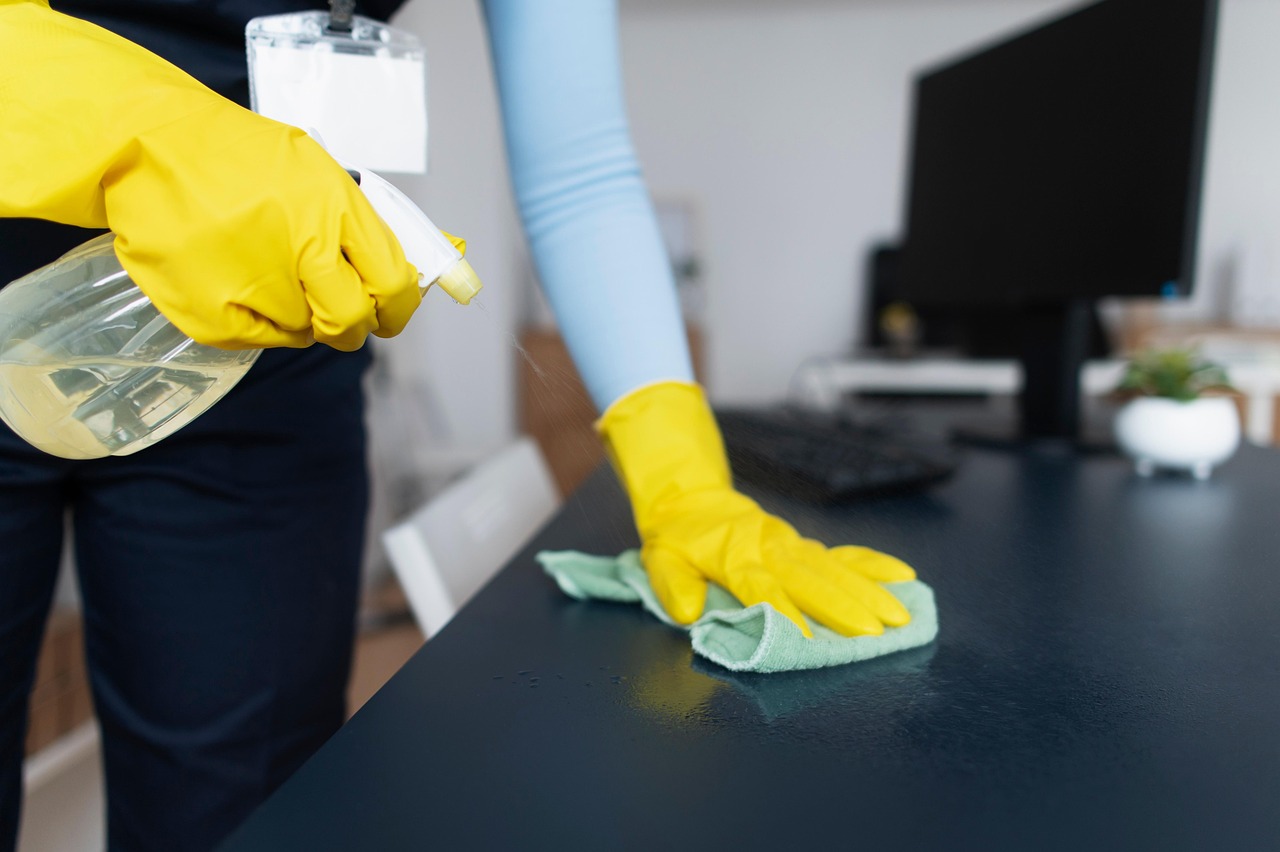
Consider the challenge of restaurant kitchen disinfection. Kitchens are breeding grounds for harmful bacteria like Salmonella and E. Coli due to the handling of raw meats and produce. Professional services employ advanced techniques such as high-pressure hot water washing, steam sanitizing, and UV light sanitization to eliminate these pathogens. These methods ensure that surfaces, equipment, and air are thoroughly decontaminated, minimizing the risk of foodborne illnesses. Similarly, COVID-19 cleaning protocols have become the new standard, with a focus on surface decontamination using EPA-registered disinfectants and the use of personal protective equipment (PPE) for safety.
The International Organization for Standardization (ISO) offers guidelines for surface cleaning and disinfection in healthcare settings, emphasizing the importance of a systematic approach. This includes identifying high-touch surfaces and implementing a structured cleaning and disinfection program. In a hospital room decontamination, surfaces like doorknobs, light switches, and bed rails are given extra attention due to their frequent contact. By following ISO standards and integrating advanced disinfection equipment, such as those found at deep clean and disinfect services, healthcare facilities can maintain a safe and hygienic environment for patients and staff.
Effective services require a commitment to continuous improvement and adherence to legal and regulatory standards. Occupational Safety and Health Administration (OSHA) guidelines, along with local municipal health department regulations, provide a framework for best practices. By staying informed about these standards and leveraging the latest technologies, disinfection service providers can ensure they offer not only comprehensive solutions but also safe and sustainable practices that protect both the community and their business.
Future Trends in Industrial Disinfection
The future of industrial services is being shaped by a confluence of factors, with the COVID-19 pandemic serving as a catalyst for rapid innovation. As we look ahead, several trends promise to revolutionize the way we approach disinfection in various sectors, including healthcare facility disinfection and hotel room sanitization.
One prominent trend is the increasing adoption of advanced technologies. UV light sanitization, for instance, has emerged as a powerful tool, with studies indicating its effectiveness in deactivating a wide range of pathogens. This technology is now being integrated into various services, offering faster and more efficient cleaning protocols. The integration of AI and robotics is expected to streamline processes, enabling more precise and comprehensive disinfection in challenging spaces, such as those in industrial settings.
Sustainability is another critical trend driving future services. There is a growing demand for environmentally friendly disinfectants, reflecting a broader movement towards green cleaning practices. This shift is not just a response to consumer preferences but also a recognition of the potential environmental and health impacts of traditional disinfectants.
Looking ahead, the integration of these trends will likely lead to more holistic, efficient, and sustainable disinfection solutions. Combining advanced technologies with eco-friendly products can create comprehensive COVID-19 cleaning protocols tailored to specific settings, such as schools and public spaces. By embracing these future trends, disinfection service providers can not only meet the current demand for thorough cleaning but also prepare for the evolving needs of a post-pandemic world, ensuring that professional infection control remains a cornerstone of public health and safety. Give us a call at environmentally friendly disinfectants to discuss how your business can stay ahead of these trends and deliver superior services.
Frequently Asked Questions About Industrial Disinfection Equipment Review
What is the primary function of industrial disinfection equipment?
Industrial disinfection equipment is designed to eliminate or reduce microorganisms like bacteria, viruses, and fungi on surfaces and in the air. This includes a range of technologies such as UV light sanitization, air purification systems, and surface decontamination methods. The primary goal is to create a safe, hygienic environment by minimizing the risk of disease transmission, especially in commercial, healthcare, and educational settings.
How does UV light sanitization work?
UV light sanitization utilizes ultraviolet (UV) light, specifically UV-C, which is not visible to the human eye. UV-C light has a shorter wavelength than visible light, enabling it to penetrate and destroy the genetic material (DNA) of microorganisms, effectively inactivating them. When UV lamps or LED panels emit UV-C light, it kills or inactivates pathogens, making it a powerful tool for quick and efficient disinfection in areas where visible light is not desirable or safe.
What are the key considerations when selecting industrial disinfection equipment?
When choosing industrial disinfection equipment, consider the specific needs of your facility, including the size of the space, the type of surfaces, and the potential contaminants. Look for equipment with proven effectiveness against a wide range of microorganisms. Energy efficiency, ease of use, and maintenance requirements are also crucial factors. Ensure the equipment complies with local health and safety regulations and that it aligns with your facility's budget and long-term sustainability goals.
Can industrial disinfection equipment be used in healthcare settings?
Absolutely. Industrial disinfection equipment is often essential in healthcare facilities to prevent the spread of infections, especially in hospitals, clinics, and long-term care homes. UV light sanitization, for example, is commonly used for decontaminating rooms between patient stays, as well as for disinfecting high-touch surfaces like doorknobs and light switches. Air purification systems help maintain clean air flow, reducing airborne contaminants. This equipment matters in maintaining a safe and sterile environment for patients and healthcare workers.
What are the benefits of using environmentally friendly disinfectants?
Using environmentally friendly disinfectants offers several advantages. These products are typically less harmful to human health and the ecosystem. They often degrade into harmless byproducts, reducing water and soil contamination. Environmentally friendly disinfectants can also be cost-effective in the long run, as they may require less frequent replacement. Many are plant-based or derived from natural sources, making them a preferred choice for facilities seeking sustainable practices while maintaining high hygiene standards.
This in-depth review of industrial disinfection equipment highlights the critical role of effective services in ensuring public health and safety, especially in the wake of global health crises. By understanding the key components of disinfection technology and evaluating service providers based on best practices, organizations can make informed decisions to mitigate risks and maintain clean, safe environments.
The review underscores the importance of evaluating equipment based on its suitability for specific industrial needs, considering factors like facility size, contamination levels, and operational requirements. Best practices for effective disinfection include regular maintenance, adherence to regulatory standards, and the use of eco-friendly and sustainable solutions whenever possible.
Looking to the future, emerging trends in industrial disinfection promise to enhance efficiency and safety. These include innovative technologies like UV light sanitization and advanced surface decontamination methods. By staying abreast of these developments and incorporating them into their services, organizations can maintain a robust pandemic-safe cleaning regimen and ensure the well-being of their employees, customers, and communities.
This review equips readers with crucial insights to understand industrial disinfection, empowering them to make strategic choices that drive productivity, compliance, and, most importantly, safety.
Understanding Industrial Disinfection Needs:
The demand for comprehensive services is at an all-time high, driven by global health crises like COVID-19. Industrial disinfection goes beyond surface cleaning, requiring a strategic, multi-faceted approach tailored to each setting's unique risks. Expert virus removal specialists assess surfaces, high-touch areas, and airborne virus transmission potential to deliver customized solutions. This holistic view ensures optimal results, enhancing health and safety for all.
Key Components of Disinfection Equipment:
Top-notch services rely on the right equipment, which doesn't just kill germs but ensures a safe environment. This includes advanced techniques like high-pressure hot water washing, steam sanitizing, and UV light sanitization, along with ISO-compliant programs and OSHA/municipal health department guidelines. Integrating advanced technologies and sustainable practices will shape future services, offering efficient, comprehensive, and environmentally friendly solutions.
Future Trends in Services:
The post-pandemic landscape is driving innovation in services, with trends like UV light sanitization, AI/robotics integration, and environmentally friendly disinfectants. These advancements promise more holistic, efficient, and sustainable cleaning protocols tailored to specific settings, ensuring professional infection control remains a vital public health tool.